CHECK
Neighbours can differ
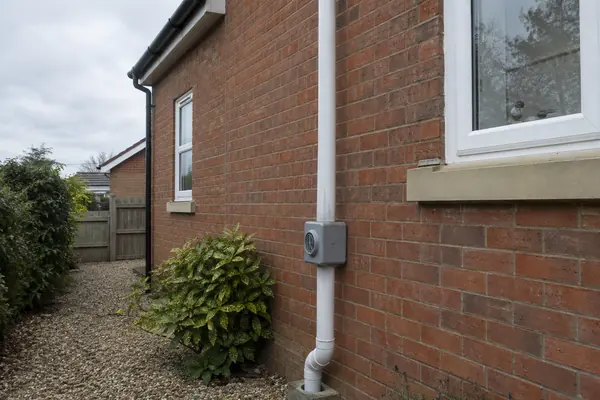
WHO says radon levels vary considerably even between adjacent buildings, and are usually higher in rooms in contact with the ground.
See the numbers
WHAT THE GUIDANCE SAYS
MEASURE over three months
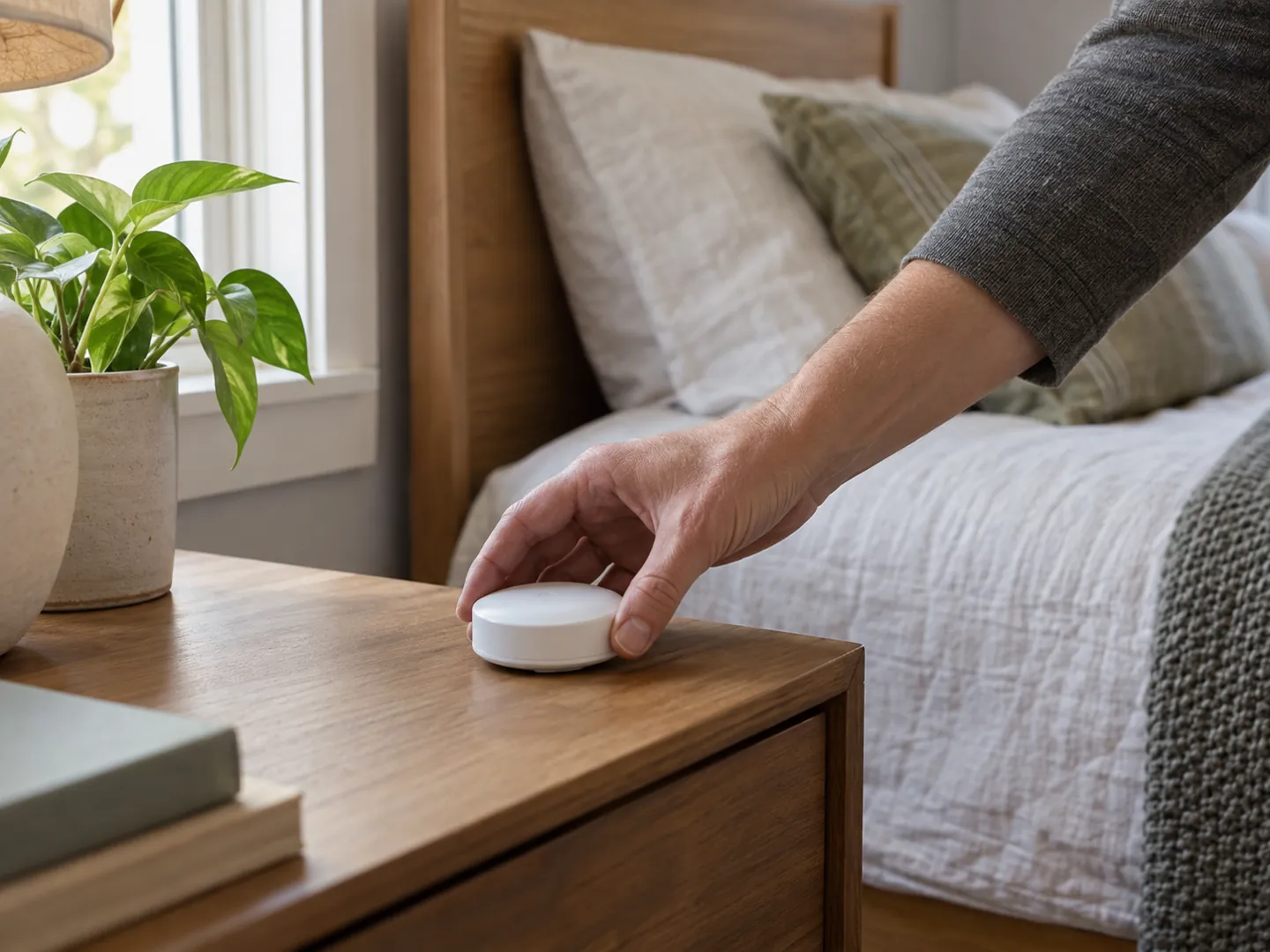
AI-generated image, not a photograph of a real person or place.
Every home has some radon.
It has no smell, colour or taste, and it rises from the uranium in rocks and soils. UKHSA guidance comes down to three steps: check your area, measure your home, and reduce a high level.
THE SHORT ANSWER
Radon levels vary a lot between homes.
The only way to know yours is to measure it.
CHECK
WHO says radon levels vary considerably even between adjacent buildings, and are usually higher in rooms in contact with the ground.
See the numbersMEASURE
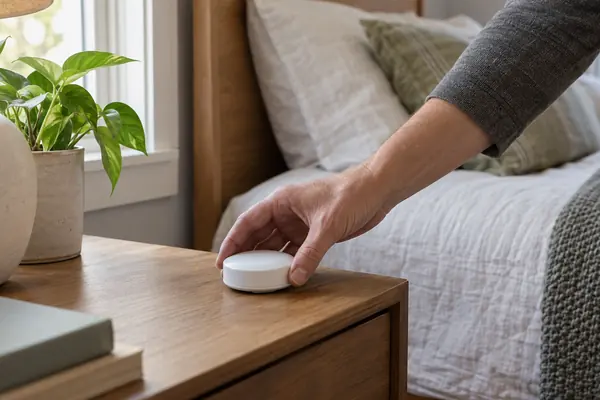
UKHSA posts two small detectors, one for the living area and one for a bedroom, to average out daily swings over three months.
Read a resultACT
At or above 200 Bq/m3, UKHSA recommends reducing it. An active radon sump with a fan is the most effective method it lists.
How it is done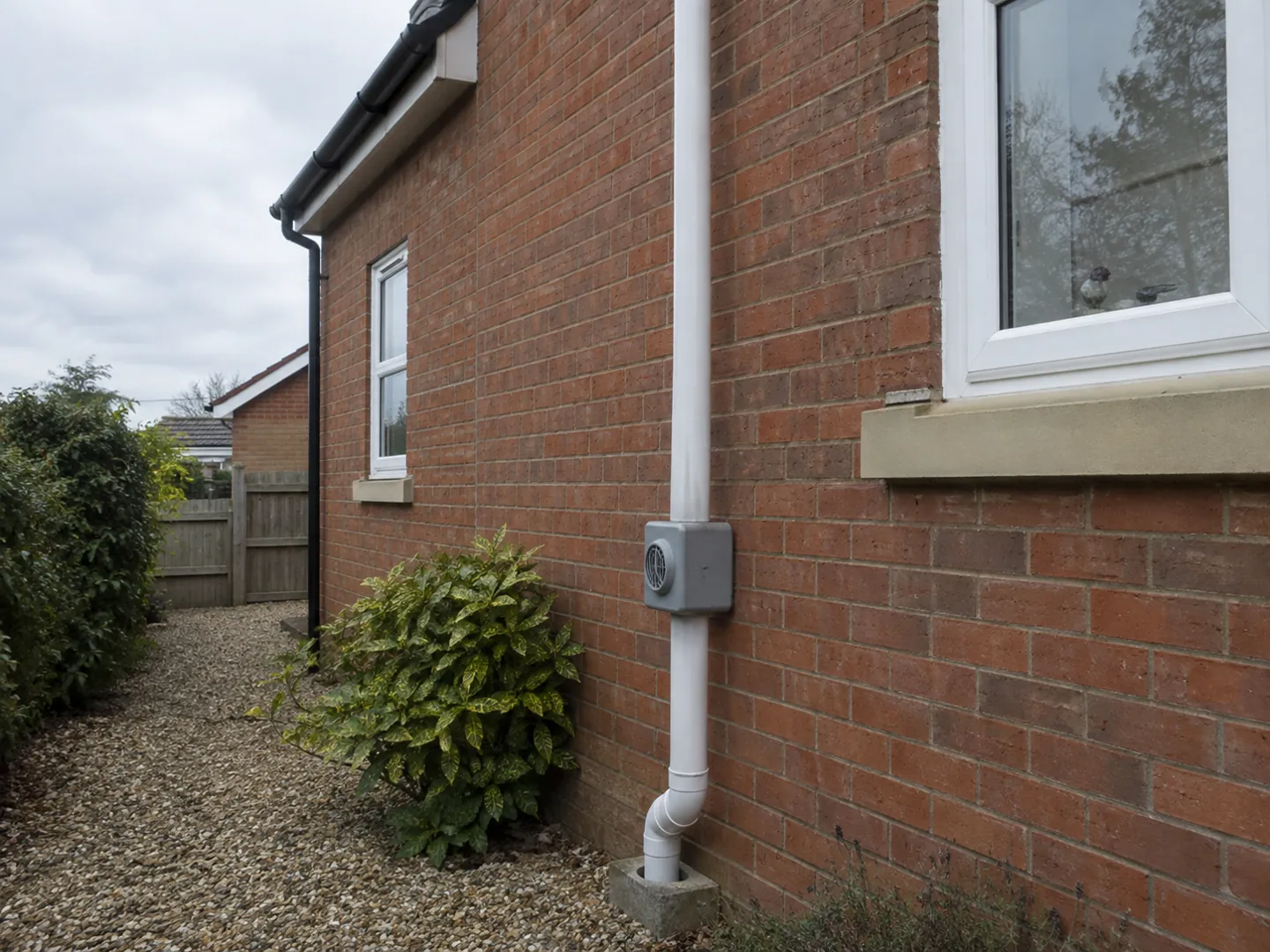
HOW HIGH LEVELS ARE REDUCED
The ground is the main source of radon, so UKHSA's recommended remedies stop it getting in from below. Which one fits depends on your floor type and level.
A small pit under a solid floor with a fan and pipe. UKHSA calls it the most effective way to reduce indoor radon.
For suspended floors, better airflow through the space beneath, by natural vents or a fan, can cut radon levels.
A small quiet fan blows fresh air, usually from the roof space, into the home.
Measure again once work is done. UKHSA says a free re-measurement is sometimes available.
TWO NUMBERS WORTH KNOWING
One figure on the toll in the UK,
one on how risk rises with the level.
1,100+
Lung cancer deaths linked to radon each year
UKHSA says radon causes over 1,100 deaths from lung cancer each year in the UK, citing the independent report Radon and Public Health.
UK DEATHS · UKHSA
≈ 16%
Extra lung cancer risk per 100 Bq/m3
The World Health Organization says lung cancer risk rises by about 16% for every 100 Bq/m3 increase in long-term average radon concentration.
RISK PER STEP · WHO
WHO estimates radon causes between 3% and 14% of all lung cancers in a country, depending on national radon levels and how many people smoke.
A QUICK RESULT CHECK
Pick a yearly average radon level to see what UK guidance says about it. The bar shows how strongly the guidance points to action.
Based on UKHSA's UKradon guidance on the Action Level and Target Level. General information, not personal medical advice.
WHY ALPHA MATTERS
Alpha particles are two protons and two neutrons. The US EPA says they cannot get through even the outer layer of skin, so outside the body they are not a major concern.
Breathed in, it is different. UKHSA explains that radon's decay products lodge in the airways and give off alpha particles, which nearby lung tissue absorbs, causing damage that can lead to lung cancer.
In conversation
A colourless, odourless radioactive gas formed by the decay of the small amounts of uranium found naturally in all rocks and soils, according to UKHSA.
UKHSA recommends two detectors, one in the living area and one in an occupied bedroom, left for three months. Shorter tests carry more uncertainty because levels change with the weather.
200 becquerels per cubic metre as an annual average. UKHSA recommends reducing radon in homes above it, and sets 100 Bq/m3 as the ideal Target Level after remedial work.
Yes. UKHSA says the risk from radon is higher for ex-smokers and significantly greater for current smokers, and WHO estimates smokers are 25 times more at risk from radon than non-smokers.
WHO says radon levels are usually higher in basements, cellars and living spaces in contact with the ground. UKHSA says occupied basements, used for more than 50 hours a year, should be monitored whatever the local radon potential.
Each figure on this page comes from the sources below.
ABOUT THIS NAME
doodlealpha.com is part of the DoodleSale portfolio. It isn't in an auction right now, but you can ask about leasing it.